🌍 This article is also available in HE
This article is also available inHE
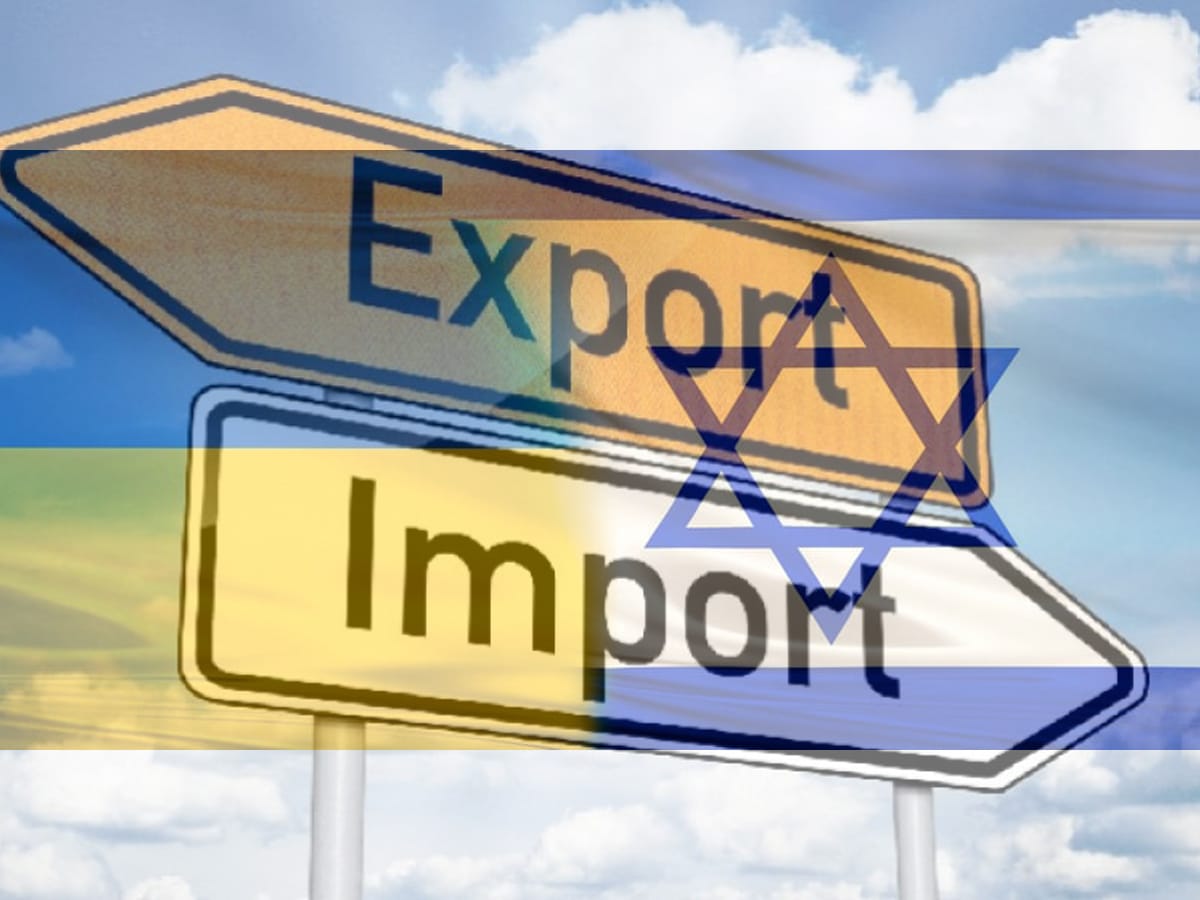
In 2024, the trade volume between Ukraine and Israel significantly increased, reaching a record of nearly one billion dollars. This impressive achievement resulted from intensified mutual cooperation between the two countries, despite the challenging political and economic situation. Notably, trade relations continued to develop even amid the war, which complicated normal economic processes.
The Israeli Ambassador to Ukraine, Michael Brodsky, stated on April 8, 2025 that trade volume increased by 65% compared to 2023. This highlights significant improvements in economic ties between the two countries and underscores the importance of bilateral cooperation for both sides.
Key Figures and Data
- Israeli exports to Ukraine in 2024 increased by 82%, totaling 534 million dollars.
- Imports from Ukraine increased by 49.2%, totaling 456 million dollars.
Trade between the two countries covers a wide range of products. Israel primarily exports to Ukraine products such as refined petroleum products, chemicals, and fertilizers, which make up a significant portion of the total export volume. In turn, Ukraine supplies Israel with grain, food products, as well as vegetable and animal oils.
Why is Trade Growing?
This growth in trade, especially in the face of the challenges both countries are facing, is due to several key factors:
- The free trade agreement, signed a few years ago, played an important role in easing trade operations between Ukraine and Israel.
- The strategic location of both countries on the global stage allows them to cooperate effectively, utilizing mutual economic and cultural ties.
The Impact of the Free Trade Agreement
As noted by Ambassador Michael Brodsky, the key factor contributing to the growth of trade turnover was the implementation of the free trade agreement between Ukraine and Israel, which came into effect about four years ago.
The free trade agreement between Ukraine and Israel was signed by the ministers of economy of both countries in Jerusalem on Monday, January 21, 2019, after negotiations between Ukrainian President Petro Poroshenko and Israeli Prime Minister Benjamin Netanyahu.
On behalf of Ukraine, the document was signed by First Vice Prime Minister and Minister for Economic Development Stepan Kubiv. The Israeli side was represented by Minister of Economy Eli Cohen.
Negotiations between the two countries lasted more than 5 years.
At that time, Israel became the 46th country with which Ukraine signed a free trade agreement.
The free trade zone agreement essentially provides for the complete abolition of import duties on industrial goods, except for jewelry. However, most of the tariffs on these goods (around 80% from Israel and 70% from Ukraine) are set to be eliminated immediately after the agreement comes into force.
After the transitional periods (from 3 to 7 years), a zero tariff was to be set on approximately 60% of agricultural products from Israel and 34% from Ukraine.
This agreement significantly simplified trade procedures, reducing tariffs on many goods, which allowed for increased trade volume in both directions.
Key Products Driving Trade
Israeli exports to Ukraine in 2024 primarily include the following products:
- Refined petroleum products
- Chemicals
- Fertilizers
On the other hand, Ukraine supplies Israel with:
- Grain
- Food products
- Vegetable and animal oils
These products have become the main drivers of trade turnover, confirming the high level of mutual dependence in these sectors.
Impact on the Economies of Ukraine and Israel
The growth in trade between the two countries has a positive impact on the economy of both Ukraine and Israel. Israel, despite its relatively small territory and population, remains one of Ukraine’s major trading partners. In turn, Ukraine gains access to high-quality Israeli goods, which contributes to the development of various sectors of the economy.
Importance for Both Countries
For Ukraine, Israel is not only an important economic partner but also a strategic ally. Amid military actions and economic difficulties, trade with Israel becomes a reliable source of resources and stability.
For Israel, cooperation with Ukraine is an important element in expanding influence on the post-Soviet space, as well as contributing to improving the economic situation amid global crises.
Conclusion
Thus, the trade volume between Ukraine and Israel in 2024 became record-breaking, increasing by 65% compared to 2023. This growth confirms the importance of bilateral economic relations and also highlights the effectiveness of the free trade agreement, which continues to stimulate trade development. The impact of this cooperation on the economies of both countries is difficult to overestimate, and it remains an important element of stability and development in the face of global economic challenges.
NAnews – news from Israel will continue to monitor the development of these relations, covering all major events and achievements in international trade and political interaction between Israel and Ukraine.
This article is also available inHE