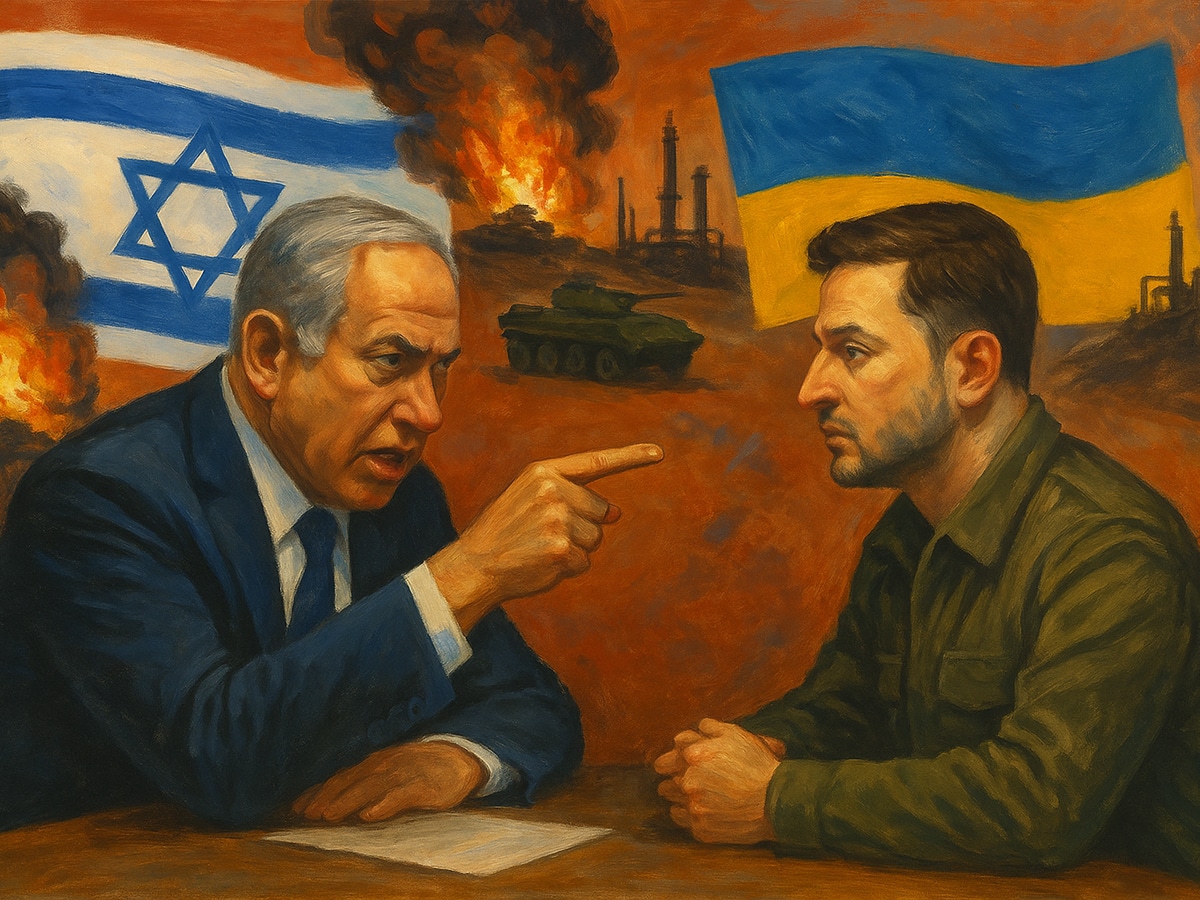
Political strategist Mykhailo Sheitelman in a recent analysis compared the behavior of the United States toward Iran and russia, emphasizing that Israel plays the diplomatic game much more aggressively than the West does in its support of Ukraine.
According to the expert, Ukraine should learn from Israel how to talk to enemies — not by appeasing them, but by acting decisively.
Trump knows how to apply pressure — just not in the right direction
After Israel struck Iran in June 2025, Iranian authorities announced they would pull out of nuclear negotiations with the U.S. But as Sheitelman notes, Donald Trump’s response was not an attempt to calm tensions — instead, he threatened Iran with “even tougher” consequences if it refused to negotiate.
“Turns out Trump does know how to apply pressure when it matters. Just imagine if, after Ukraine’s SBU conducted the ‘Web’ operation, Trump told putin the same thing: ‘It will be even tougher if you don’t make a deal,’” Sheitelman writes.
That didn’t happen. According to him, the United States continues to rely on “soft power,” which offers Ukraine nothing but fruitless memorandums.
Israel offers enemies deals without illusions
Sheitelman describes Israel’s stance in negotiations with Tehran: either Iran allows Israel to destroy nuclear sites without retaliation, or Israel will begin bombing oil refineries, devastating Iran’s economy.
“That’s what diplomacy without whining looks like. Israel doesn’t ask for permission; it sets conditions. Even Tehran understands that language,” the expert emphasizes.
NAnews – Israel News reminds readers that this approach has allowed Israel to maintain sovereignty and protect its citizens for decades amid constant threats.
Ukraine acts on the battlefield — but receives no adequate support
The expert points out the contrast between Ukraine’s actions and the global response:
- The SBU successfully carried out Operation “Web” targeting russian military infrastructure.
- In response, Trump and other Western leaders did not increase pressure, continuing to show hesitation.
- The U.S. could use Ukraine’s successes as leverage — but chooses to respond passively.
What can the world learn from Israel?
Israel’s policy is one of preemptive action. Instead of waiting for a threat to escalate, the country acts according to the logic of deterrence and force demonstration.
Ukraine, according to Sheitelman, already shows that kind of strength on the battlefield. But it lacks international backing on the diplomatic and rhetorical level, particularly from the United States.
| Category | Israel | Ukraine |
|---|---|---|
| Response to threats | Preemptive strikes | Reactive measures |
| Diplomatic style | Hard ultimatums | Partnership-based requests |
| U.S. support | Often targeted and active | General, but not forceful enough |
| Public statements | Clear threats and conditions | Soft appeals |
| Pressure on enemy economy | Threats to bomb refineries | Local strikes on logistics |
Ukraine must follow the example
Sheitelman’s conclusions are sound. If the West continues its weak approach, avoiding direct pressure on the kremlin, then Ukraine’s army and people will be left to fight alone. And Israel’s experience shows that you don’t play democracy with terrorists — you issue ultimatums and show strength.
“That’s the kind of talk the russian federation understands — not whining. This is what no-whining diplomacy looks like,” Sheitelman concludes.
As Israel’s rhetoric becomes increasingly tough, Ukraine should use this moment in global diplomacy to demand clear and decisive action from its allies.
NAnews continues to monitor international relations closely and analyze what Israel and Ukraine can learn from each other.