
Ze’ev Elkin in Ukraine: Between Kyiv, Dnipro, and Memory
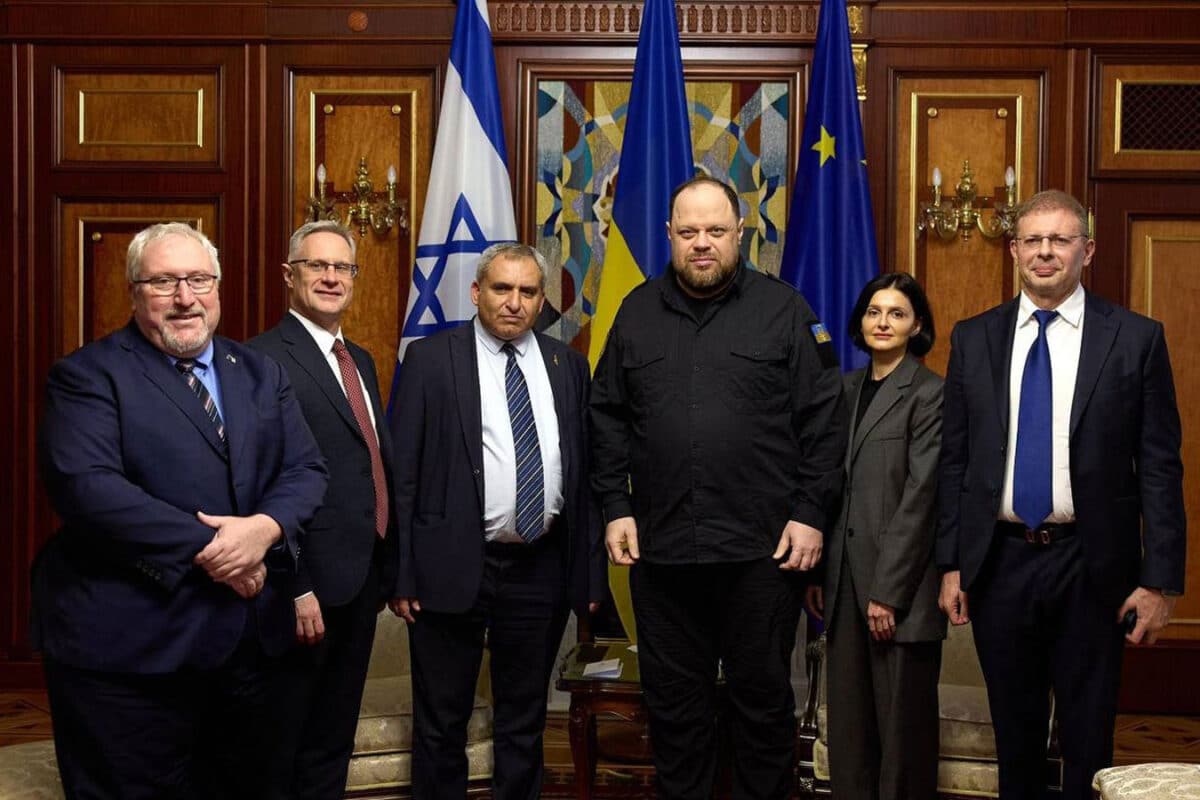
November 11, 2025. The weather in Kyiv is damp, the sky heavy. The city lives amidst alarms, yet it still functions — the parliament is in session, cafes are open, people are rushing. On this day, Israel’s Minister of Finance Ze’ev Elkin arrives in Ukraine. Without motorcades, without noisy cameras — just a visit that Jerusalem calls an “important gesture of respect.”
Kyiv. A Conversation Without a Word Wasted
In the meeting with Ruslan Stefanchuk, there were no diplomatic phrases. Elkin spoke briefly, to the point: about investments, technologies, about how Israel can help Ukraine recover.
“We know how to rebuild — because we ourselves have experienced shelling,” he said, and the room fell silent.
The discussion was about specific projects: energy, medicine, construction, IT infrastructure. Ukrainians are looking for partners, and Israelis — a way not to be mere bystanders.
Dnipro. Where Fear and Faith Are Heard Between the Phrases
After Kyiv, Elkin went to Dnipro. There are no grand staircases — only volunteer centers, children’s schools, synagogues, where traces of vibrations from past strikes are still visible on the ceiling.
He spoke with rabbis and local residents, listened to how they survived during the shelling. Here, the minister announced that Israel would help restore the work of the “Nativ” centers — in Dnipro, Kharkiv, and Odesa.
“Nativ” is not just a building with a coat of arms. It’s a place where people feel that the connection with Israel is not an abstraction.
A Common Language of Resilience
Ukraine and Israel — two countries where the word “security” sounds like a prayer. They understand all too well what it means to live under alarms and still open windows in the morning.
Elkin did not speak in slogans. He simply stood next to people who lost their homes and continue to live. “We are with you, and we understand you,” he said. Sometimes that’s enough for the day to stop being just another day of war.
After the Visit
November 11, 2025, entered the chronicle not as a diplomatic date, but as a moment when Israel reminded: an alliance is not a document, but a presence.
Israel does not make loud statements, but does what is more important — it comes.
NANews — News of Israel
