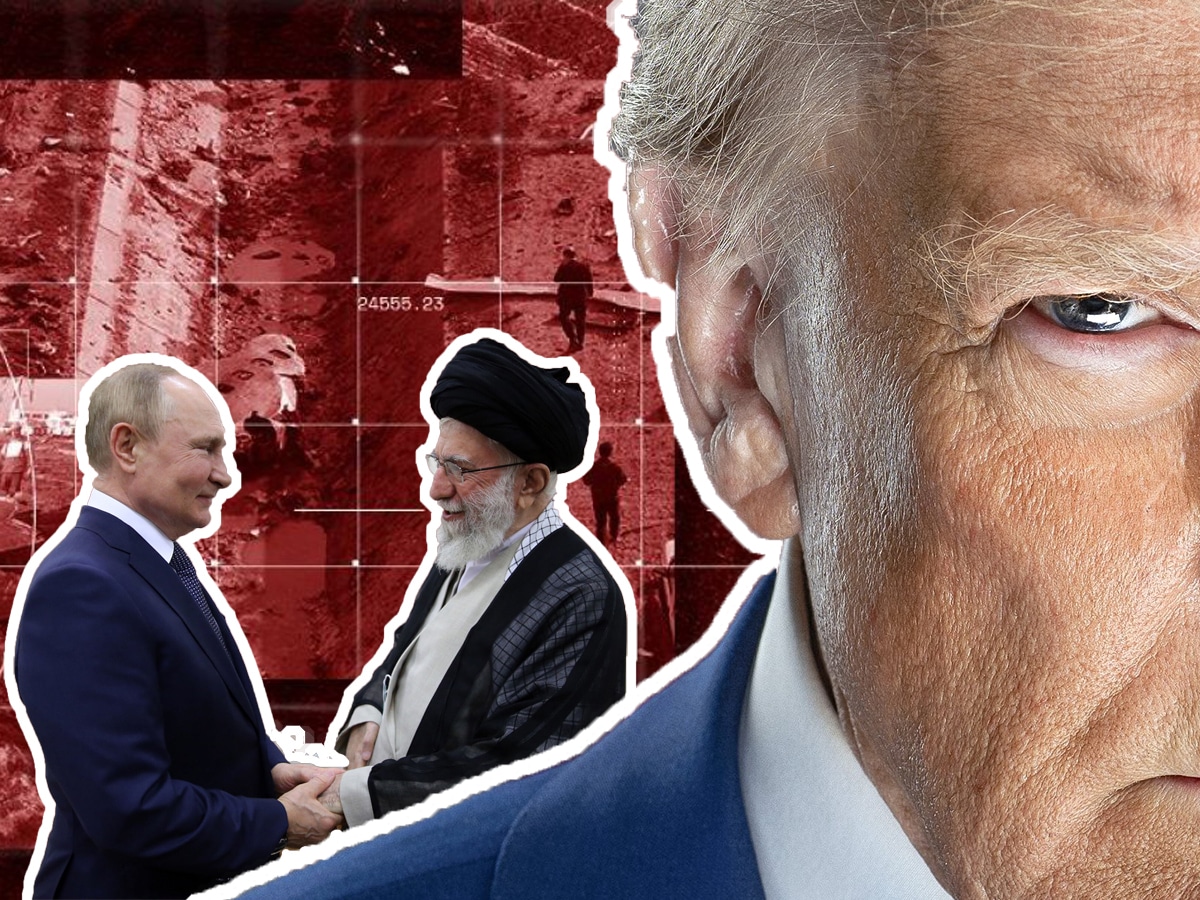
The developments surrounding Iran indicate Russia’s desire to preserve Iran’s nuclear program at all costs as one of the guarantees of security. However, neither Moscow nor Beijing will defend Tehran with weapons, as they are negotiating with the United States.
Iran risks disappearing by September 2025 if it does not agree to the terms of the nuclear agreement proposed by the U.S. president. At least, this is stated by the British publication Daily Express.
“Putin understands that he can use the situation around Iran in negotiations about Ukraine. Behind Iran’s escalation, Russia will surely stand, as it is much more beneficial for the Russians to push their agenda and their ultimatums even at the initial stage of contacts with the Americans. For the U.S. and Israel, this means they must be ready to demonstrate force against Iran.”
Iran has found itself at a difficult crossroads, and experts believe that its decision could significantly change the political situation in the region, including affecting Ukraine’s fate. Tehran must decide whether to agree to the U.S. terms on the nuclear deal or continue its strategy of cooperation with Russia, a choice that has far-reaching consequences for its international standing.
Iran at the Crossroads: A Difficult Decision
Iran finds itself in a very difficult situation, facing a pivotal choice that will define its future foreign policy. If Iran agrees to the U.S. terms, it will open up new economic opportunities and improve its relations with Western countries. However, such a step will inevitably lead to a cooling of relations with Russia, Iran’s key ally on the international stage.
The moment for Tehran is truly delicate. On the one hand, on March 27, Putin submitted a draft agreement on comprehensive strategic partnership to the State Duma for ratification. If Iran agrees to the U.S. terms, it will mean distancing itself from Russia.
On the other hand, if the Kremlin strikes a deal with the White House for “eternal friendship,” Iran will become redundant and will be economically destroyed. Conversely, by rejecting Trump’s offer, President Masoud Pezeshkian will become dependent on his Russian colleague and, indirectly, on the goodwill of China. Official Moscow is still interested in Tehran as an ally in the war against Ukraine (and possibly, in the future, against the collective West).
Quote: “Iran risks disappearing by September 2025 if it does not agree to the terms of the nuclear deal proposed by the U.S. president.”
If Iran rejects the U.S. proposal, it will continue to draw closer to Russia, which will likely deepen its isolation and increase its dependence on Moscow. This strategy will lead to significant risks for Iran on the international stage, including economic sanctions and worsening relations with the West.
Consequences for Ukraine
Iran’s decision will directly affect Ukraine’s security. If Iran agrees to the U.S. terms, it will weaken Russia’s influence in the region, opening up new opportunities for Ukraine in diplomatic and political struggles. On the other hand, if Iran remains on Russia’s side, Ukraine will face increasing Russian pressure, and the global focus will shift away from the Ukrainian conflict.
Quote: “This choice means that Iran will become dependent on Russia or will make a move toward negotiations with the U.S., which will change the balance of power in the region.”
Ukraine must closely monitor the situation, as Iran’s decision could lead to a shift in the balance of power and either strengthen or weaken Russia’s positions, which will directly affect the country’s security and stability.
Impact on International Relations
Amid increasing pressure from the U.S., Tehran faces the fact that its future depends on the choice it makes soon. In the case of an agreement with the U.S., Iran will receive economic assistance and improve its international standing. However, refusing to negotiate will strengthen its dependence on Russia and China, which will have long-term consequences for its role on the global stage.
Quote: “The moment for Tehran is truly delicate. On the one hand, on March 27, Putin submitted a draft agreement on comprehensive strategic partnership to the State Duma for ratification.”
Iran’s decision will have significant consequences for both its internal politics and its external relations with the U.S. and Russia. If Iran rejects the U.S. deal, it will find itself in deep political isolation, creating additional threats to regional security.
Russia and Iran: Impact on the Strategic Situation
Russia continues to actively support Iran in its confrontation with the West, but this cooperation is not unconditional. If Iran agrees to the U.S. terms, Russia will lose an important strategic partner in the Middle East. This will weaken its position in the region and reduce its influence on the situation in Ukraine.
Understanding Iran’s hesitations, the Russian Foreign Ministry ramped up efforts on March 3. The ministry’s spokesperson, Maria Zakharova, called the U.S. plans to bomb Iran unacceptable and emphasized the search for “viable, stable diplomatic solutions that will remove Western prejudices and misunderstandings regarding Iran’s nuclear program.”
According to her, Tehran has “the right to the peaceful use of nuclear energy.” At the same time, deputy foreign ministers from both Iran and Russia discussed the situation surrounding the nuclear talks, and the head of Iran’s foreign ministry invited the IAEA’s Rafael Grossi to Iran during a phone conversation.
Quote: “Putin understands that he can use the situation around Iran in negotiations about Ukraine.”
Thus, Russia is interested in keeping Iran on its side. If Iran rejects the U.S. deal, the Kremlin will be able to continue manipulating this situation for its own interests, which, in turn, will strengthen Russia’s influence over Ukraine.
Impact on Israel
For Israel, the issue of Iran has always been a top priority. The nuclear threat from Tehran remains Israel’s main problem, and any change in Iran’s relationship with the U.S. could significantly affect its security. If Iran agrees to the U.S. terms, it will reduce the nuclear threat to Israel, but it will also affect its strategic positions in the region.
How This Will Affect Ukraine
For Ukraine, this issue is of great importance, as any change in Iran’s policy could affect its security and international relations. Ukraine must actively monitor the situation, as Iran’s decision to continue cooperation with Russia or the U.S. could change the balance of power in the region. It is important for Ukraine to continue strengthening its positions on the international stage and find new opportunities for diplomatic maneuvers.
Main Conclusions for Ukraine:
- If Iran agrees to the U.S. terms, it will weaken Russia’s influence in the region and create new opportunities for Ukraine.
- If Iran remains on Russia’s side, Ukraine risks facing increased Russian aggression and isolation on the international stage.
- If military escalation occurs with Iran, the world’s attention may be diverted from the situation in Ukraine, strengthening Russia’s positions.
For Ukraine, it is essential that the international community remains focused on its security, even if the situation with Iran leads to additional geopolitical changes in the region.