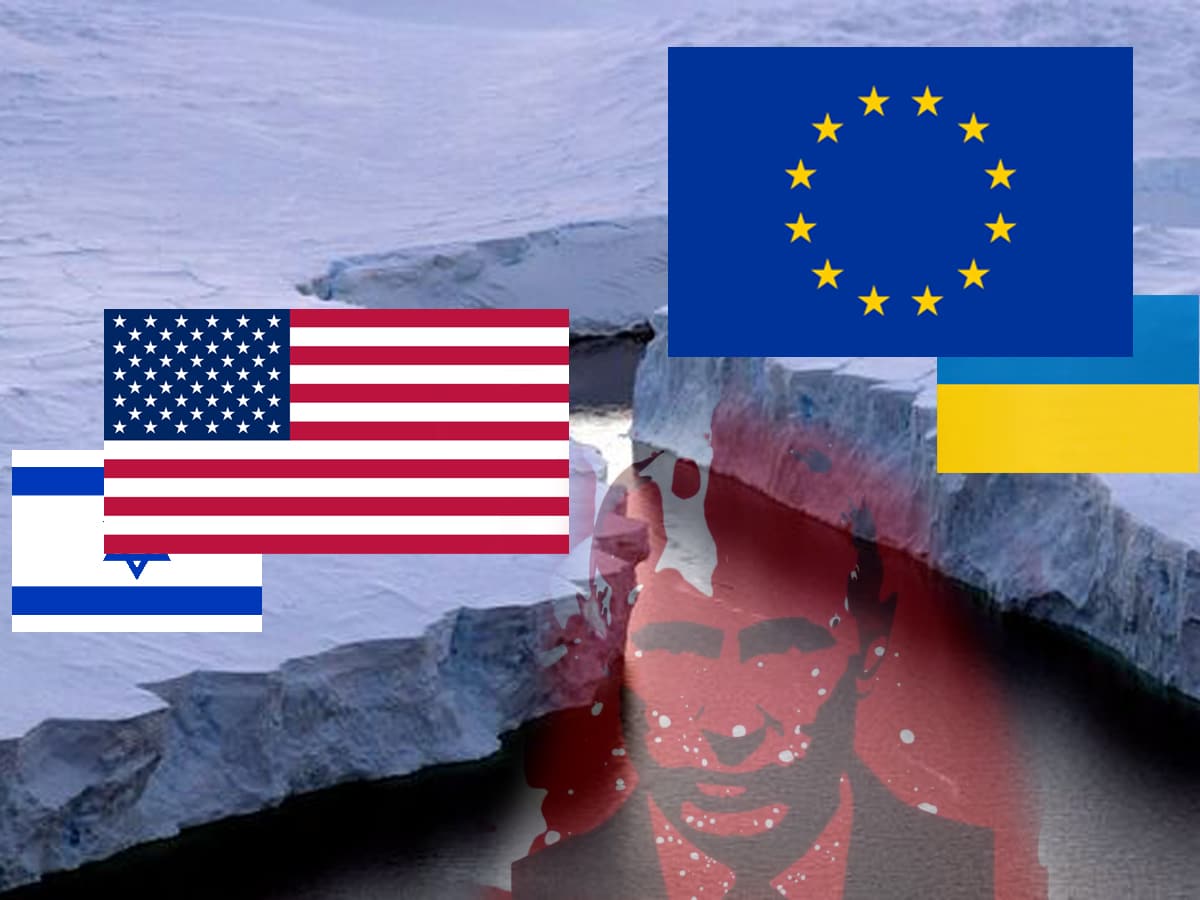
From the very beginning of Donald Trump’s presidency, the world has witnessed significant differences in the foreign policy approaches of the USA and most European countries.
One of the biggest disagreements has been Russia’s aggression against Ukraine, reflecting broader geopolitical contradictions between the two sides.
How do the interests of Europe and Trump’s America intersect, and where do they differ?
Author (ukr.) – Mark N. Katz – Honorary Professor of Governance and Politics at the Schar School of Policy and Government, George Mason University, and Senior Fellow at the Atlantic Council.
Trump and Ukraine: Russia Concessions Policy
One of the main issues where the interests of the USA under Trump’s leadership and Europe diverge is support for Ukraine in its struggle against Russian aggression. Trump, unlike the Europeans, is willing to make concessions to Russia, viewing it as “a necessary part of global agreements.”
Main Aspects of Trump’s Policy on Ukraine
- Concessions to Russia: Trump is willing to negotiate with Moscow, even if it requires some “concessions” on the “Ukrainian issue.” This approach is absolutely unacceptable to European countries, which continue to firmly support Ukraine.
- Pressure on Ukraine: The Trump administration sometimes pressures Ukraine, demanding more compromises or real changes in exchange for US support.
Europe’s Position
European governments maintain a firm position in supporting Ukraine, seeing it as a crucial element in ensuring security in Europe. For them, Russia represents a much greater threat than other countries, and they are not willing to compromise with Moscow.
Israel and the Palestinian Conflict: Another Discrepancy
Trump also continues to pursue his own policy towards Israel, which causes disagreements with European countries. The biggest problem for Europe is Trump’s refusal to support the “two-state solution for the Palestinian-Israeli conflict.”
Trump’s Approaches to Israel
- Relocation of the Embassy: One of Trump’s most controversial moves was “recognizing Jerusalem as the capital of Israel and relocating the US embassy there.” This step significantly worsened relations between the US and European countries, which support the two-state solution.
- Support for Israel: Trump provides significant support to Israel in its struggle against the “Palestinians,” which contradicts Europe’s position, as they continue to believe in the necessity of a peaceful resolution of the conflict based on the two-state principle.
Europe’s Position on Israel
European governments continue to support the idea of two states, even if it creates tension with Israel. Most European countries are willing to make compromises to “maintain stability in the region,” unlike Trump’s administration, which tends to make unilateral decisions.
Iran: Another Issue Dividing Europe and the US
Europe and the USA have different views on the threats posed by Iran. Trump sees Iran as an existential threat to the US, while Europeans are less concerned about its nuclear program.
Trump’s Views on Iran
- Iran: Trump emphasizes Iran as an existential threat to the US, seeking to limit its nuclear program through sanctions.
- European Position: Europeans believe that nuclear deterrence may be effective against Iran, as they do not view it as the same threat as the US and Israel do.
Europe’s Position on Iran
European governments want to preserve the nuclear deal and hope for a diplomatic resolution with Iran. They believe that Iran’s nuclear weapons will not lead to irrational behavior, as the US and Israel fear.
Trade Issues Between the US and Europe
Trump is pursuing an active tariff policy, which has caused trade disputes with Europe. The increase in tariffs on European goods and services adds tension to relations between the US and the EU.
Summary: What Awaits Europe Under Trump’s Policy?
European countries are likely to be forced to reconsider their foreign policy strategies in response to Trump’s policies. They may have to break away from US influence and seek independent solutions to important geopolitical issues, such as relations with Iran and “Palestine.”
Table: Discrepancies in the US and Europe’s Policies
| Topic | US Policy (Trump) | European Policy |
|---|---|---|
| Sanctions on Russia | Limited support for sanctions, compromise proposals | Constant support for sanctions and tough policy |
| Support for Ukraine | Doubtful support, pressure on Ukraine | Active support, involvement in sanctions and diplomatic efforts |
| Israel and “Palestine” | Support for Israel, embassy relocation to Jerusalem | Support for the two-state solution for “Palestine” and Israel |
| Iran | Active sanctions against Iran | Less expressed threat, attempts to preserve the nuclear deal |
NAnews – News of Israel continues to monitor significant changes in US foreign policy and its impact on international relations, especially on ties with Europe, Ukraine, and Israel.