According to Israeli media reports, on October 15, 2024, after a drone strike on the Golani military base, the Ministry of Defense is conducting tests in the south of the country with the participation of all representatives of the Israeli defense industry to present technological solutions for intercepting enemy UAVs.
Solutions that meet the threshold conditions at this stage will move to accelerated development and operational review.
As part of the tests, defense enterprises deployed prototypes of interception systems and presented their capabilities. After analyzing the results, the Ministry of Defense will select a number of technologies that will go into accelerated development and production.
Goal: To introduce new operational capabilities to intercept UAVs within a few months.
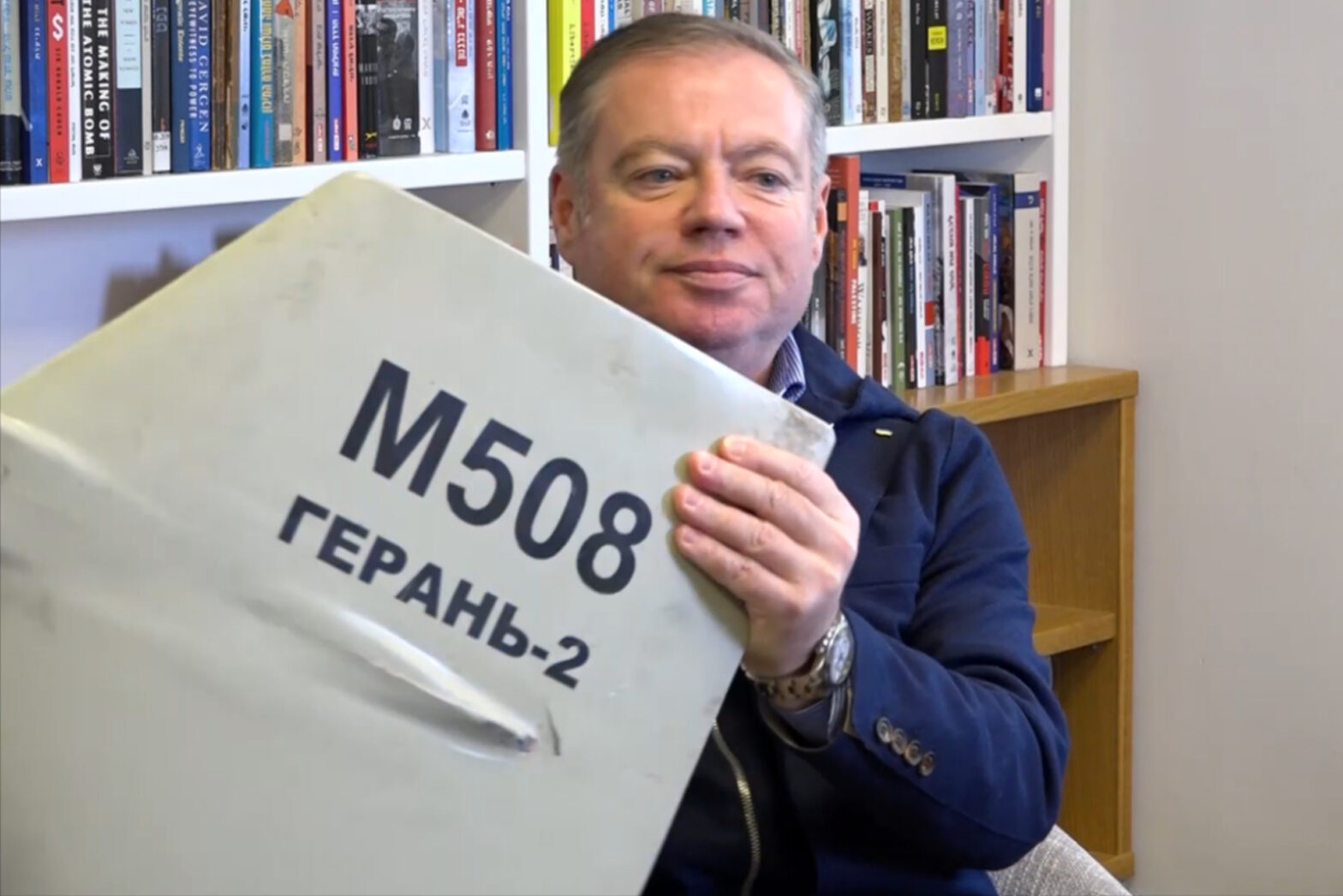
Ambassador of Ukraine to Israel Yevgeniy Korneychuk in his interview portal Ynet October 14, 2024 stressed that after the recent Hezbollah drone attack on the Golani Brigade base, which killed four young Israeli soldiers, Israel should seriously consider cooperation with Ukraine on defense against unmanned aerial vehicles (UAVs). Korneychuk expressed regret that Ukraine’s proposals were previously ignored, although the countries have “common enemy” — Iran and Russia, which actively use drones in their operations.
“I don't want to say 'I told you so' now, but I did tell you so,”
— said Korneychuk, recalling that back in February 2023 he brought to Israel the fragments of an Iranian drone used by Russia to attack Kyiv. He warned then:
“You must work with us against this threat, because later these drones will explode on you too.”.
However, as the ambassador noted, in Israel then they did not pay enough attention to these warningsm.
Now Korneichuk again proposes “full cooperation” between Ukraine and Israel to combat the threat of drones and missiles, citing Ukraine's wealth of experience gained from more than two years of constant attacks. “It has long been clear to us that we are fighting the same enemy,” he said, emphasizing that for Israel this is Iran and its proxies such as Hamas and Hezbollah, and for Ukraine it is Russia, which is closely linked to Iran and is also supported by North Korea.
“These are the same enemies. This is why we must cooperate more. It's obvious.”
Korneychuk also pointed out that Ukraine has been able to achieve significant success in intercepting drones and missiles. He noted that “the level of drone interception in Ukraine over the past six months ranges from 80% to 90%”despite limited resources compared to Israel. Ukraine uses various technologies, including electronic means of combating drones. He emphasized that Ukrainian interception methods are effective and often much cheaper:
“We used a variety of technologies, including electronic means, which, although not always effective, allow us to intercept drones using much cheaper systems compared to expensive systems such as Patriot, which cost millions of dollars.”
Korneychuk also noted that after October 7, 2024, when Israel faced a large-scale attack, the level of cooperation between countries has increased, but it is still not enough.
“We can say that after October 7, the level of cooperation has risen to an acceptable level, but this is still not what is needed. We must work even closer.” – he said. “Our security officers are already actively engaging with Israel, but I would like to see us do more – sharing intelligence, technology and knowledge to intercept drones and ballistic missiles.”
The ambassador emphasized that in matters of defense against drones and missiles, Ukraine and Israel have the same allies, such as the United States and most NATO countries. He noted the importance of this interaction, as both countries are fighting for their existence.
“I have always said that we have no choice – we need to support each other as much as possible,” – he said.
Korneychuk also pointed to the success of the Israeli warning system “Tseva Adom” (Code Red), which was transferred to Ukraine.
“We are grateful that Israel provided us with these systems. They are already saving lives in Ukraine. Of course, it doesn’t work as perfectly as in Israel, but it works, and we are very grateful for that.”
However, the ambassador noted that both countries face serious technical challenges in the fight against drones due to differences in conditions. Israel is a small and densely populated country, while Ukraine is much more spacious. This means that Ukraine has room for error in interception, whereas “In Israel there is no margin for error”as INSS researcher Yoshua Kaliski noted, since the population density and small area make it impossible for a drone to pass without causing damage.
Concluding his interview, Korneychuk again emphasized that countries should make the most of their opportunities to strengthen each other.
“One plus one equals three, not two,” – he said, adding that Ukraine and Israel must act together to develop stronger defense mechanismss.