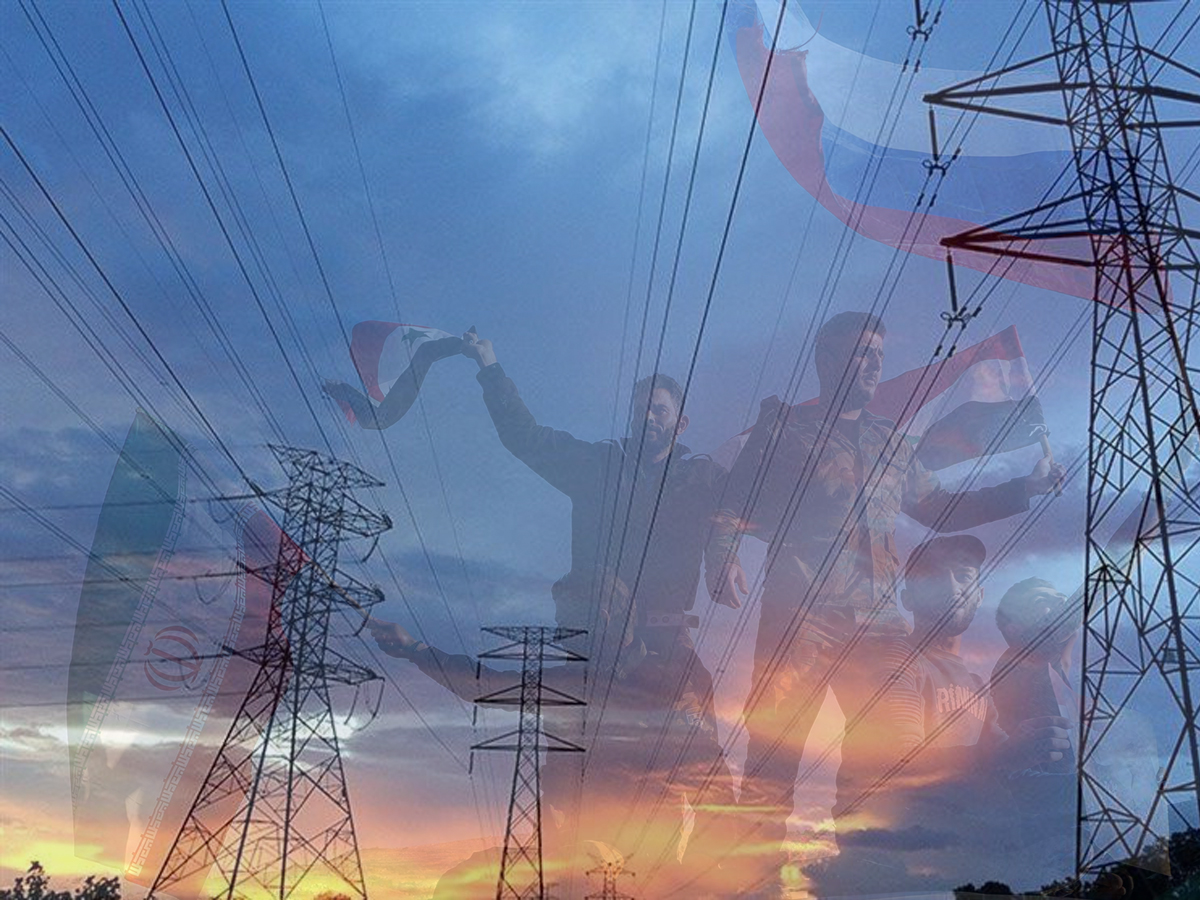
On September 26, 2024, at a meeting of BRICS energy ministers, Iranian Energy Minister Abbas Aliabadi proposed connecting Russia's power grids via Iran with those of the United Arab Emirates and Saudi Arabia, demonstrating a deep interest in cooperation between countries that, despite their confrontation with the West, find common economic interests.
Iran's initiative to connect Russia's power grids with Arab countries through its territory has become an important signal about the formation of new economic alliances, which, despite political tensions and geopolitical conflicts, continue to develop.
According to Aliabadi, Iran will thereby help reduce investments in the energy sector and “provide significant assistance to the environment at the regional level.” He added that the authorities are ready to cooperate with all BRICS countries in the energy sector. “The Islamic Republic also plans to work on attracting investments from existing financial sources in the association, using favorable mechanisms,” the minister said.
Egypt, Ethiopia, Iran, Saudi Arabia, and the UAE joined BRICS on January 1, 2024. Abbas Aliabadi stressed that this expansion is of strategic importance, given the countries' energy resources and their role in energy transit.
Using its strategic geographic location, Iran is proposing to play a key role in this project, strengthening its position as a mediator between Russia and Arab countries. Although this project is formally promoted under the pretext of environmental protection and energy security, its economic and political underpinnings are obvious.
Abraham Accords
Iran's economic cooperation with Arab countries, especially in the energy sector, could undermine the stability of the Abraham Accords, which played a key role in normalizing relations between Israel and several Arab states. Expanding economic ties between Iran and countries such as the UAE and Saudi Arabia pose risks to regional security, as Iran remains a major supporter of terrorist groups that threaten Israel.
If Arab countries deepen their cooperation with Tehran, it could weaken their commitment to peace agreements with Israel and create tensions with Western countries that support the Jewish state’s security. As a result, the Abraham Accords, which were aimed at strengthening peace and stability in the Middle East, could be threatened, opening the door to increased influence by Iran and its allies in the region.
Economic and Energy Alliances in the Context of Global Conflicts
The move is further evidence that despite international sanctions and conflicts such as Russia’s war against Ukraine, many countries continue to find ways to cooperate with Moscow. While Russia destroys Ukrainian cities, kills civilians, and destroys critical infrastructure, some states are willing to ignore these crimes for their own economic gains. This double standard is clearly evident in the approach of some Middle Eastern countries to Russia, where economic interests outweigh humanitarian considerations.
Arab countries such as Saudi Arabia and the UAE, despite their outward neutrality, have demonstrated a willingness to cooperate with Russia in the energy sector. This is particularly worrying for Israel, which is in a difficult position. Russia has traditionally supported the enemies of the Jewish state, such as Iran, Hezbollah, and various terrorist groups. By supplying weapons and aid to these forces, Moscow directly threatens Israel’s security, which makes its alliance with Iran and the Arab countries especially worrying for Jerusalem.
Challenges to Israel's Security
For Israel, this situation poses serious challenges in both security and economic terms. Russia actively cooperates with Iran in the military-technical sphere, supports its nuclear ambitions and armed groups that threaten Israeli security. Although Moscow does not publicly declare its hostility towards Israel, its actions indicate otherwise. Moreover, Russia’s close economic ties with Israel’s enemies could lead to the strengthening of these regimes’ regional influence, which would potentially create additional threats to Israel’s national security.
Iran, by expanding its energy cooperation with Russia and Arab countries, is strengthening its position in the international arena and receiving additional financial resources to finance its military programs, including those aimed at destabilizing the Middle East. Israel, being a neighbor, albeit not right next to Iran, cannot help but worry that the new energy alliance in the region will lead to further strengthening of anti-Israeli forces and their allies.
The Silence of the West and Moral Dilemmas
The situation becomes even more cynical in the context of the tacit consent of many Western countries and their allies. Despite the fact that Russia is waging an aggressive war against Ukraine, many countries continue to conclude contracts with it, develop joint projects and cooperate in the economic sphere. These actions call into question the moral and ethical principles on which international relations are based.
This is especially painful for Israel, since its own security also depends on international support and alliances. With the international community slow to impose additional sanctions on Russia and effectively turning a blind eye to its support for terrorist groups, Israel finds itself in a difficult diplomatic situation. On the one hand, Jerusalem seeks to maintain a strategic partnership with the West, on the other, it needs to increase its influence on the world stage to counter the threats posed by Russia and its allies.
Possible steps for Israel
In this difficult environment, Israel needs to step up its diplomatic efforts to draw the attention of the international community to Russia’s aggressive actions and its support for the enemies of the Jewish state. Israel can play a key role in forming international coalitions aimed at combating Russian influence and support for terrorist regimes.
In addition, Israel should become more involved in the region's energy projects to prevent Russia and Iran from monopolizing key sectors of the economy that could directly or indirectly threaten the security of the Jewish state.
This situation highlights the importance of international cooperation and the need for Israel to seek new allies to help counter the aggression of Moscow and its partners. Only through active diplomatic and economic efforts can the creation of a new axis of evil, which threatens not only Israel but also the stability of the entire region, be stopped.