Israel is facing a shortage of interceptor missiles amid possible attacks from Iran and its allies such as Hezbollah. As the Financial Times reported on October 15, 2024, citing sources in the Israeli defense industry and former military personnel, the situation urgently requires strengthening the country's air defense system.
Dana Strolea former representative of the US Department of Defense, emphasizes:
“If Iran responds to the Israeli attack with massive strikes, and Hezbollah joins in, Israel's air defenses will be stretched to the limit. We cannot continue to supply Ukraine and Israel at the same pace.”
This shortage of interceptors is due to the fact that The US supports both countries in their conflicts, but resources for simultaneous assistance are becoming insufficient.
Israeli defense enterprises are operating at the limit of their capabilities – Boaz Levythe head of the Aviation Industry, said that rocket production is carried out around the clock: “Some lines do not stop at all.” However, even with these efforts, sources say production has not kept pace with the needs of the Israeli army.
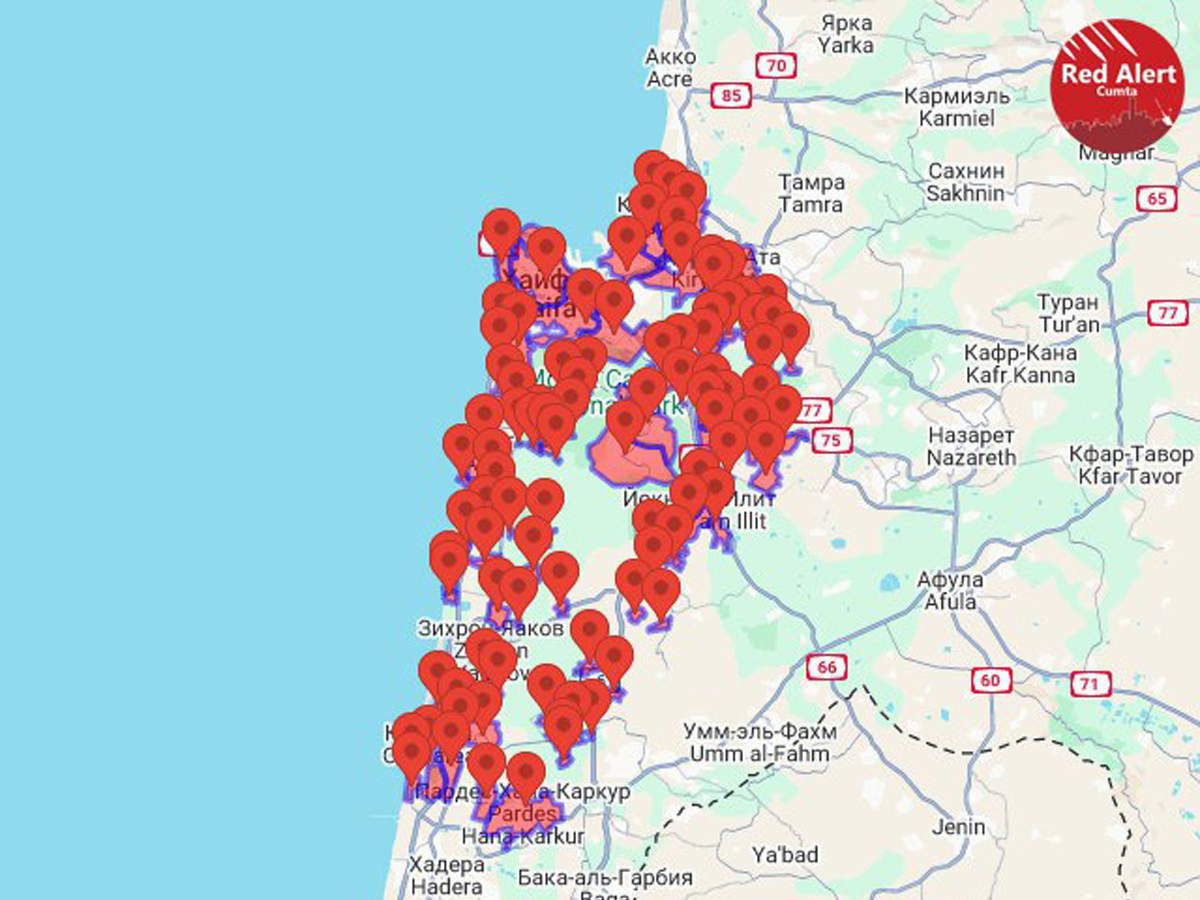
Israel's air defense system, including the Iron Dome, David's Sling and Hetz, demonstrated a high level of effectiveness in April 2024, when 99% of missiles and drones launched at Israel were shot down. But in the Oct. 1 attack, in which more than 180 rockets were fired across the country, nearly 30 rockets exploded at Nevatim Air Force Base and one rocket landed just a few hundred meters from Mossad headquarters.
Head of the Aviation Industry Workers' Union Yair Katz denied rumors about a shortage of interceptors:
“We have sufficient supplies for a long-term war on different fronts.”
Nevertheless, Financial Times argues that missile production is not keeping pace with their consumption, and this raises concerns in the event of an escalation of the conflict with Iran.
In this context, the problem of Ukraine becomes an additional factor. The Ukrainian military, also facing massive attacks from drones and missiles, has long been short of interceptors and has sought to strengthen its air defenses. Ukraine and Israel, both at war, rely on US arms supplies. However, as Dana Strole noted, “we are approaching a tipping point” where supporting two countries at the same time will become a challenge for Washington.
Ukraine, battling Russian drones and Iranian missiles, can share its experience with Israel, but both countries need help that is limited by U.S. resources.
Military observer Yossi Yehoshua said reports of a shortage of interceptors could be part of pressure on Israel from the United States, which is seeking to limit strikes on Iran and Beirut, as well as increase humanitarian aid to the Gaza Strip.
Thus, Israel faces a difficult choice. On the one hand, it is necessary to strengthen missile defense, on the other, the United States is forced to distribute its resources between Ukraine and Israel, which could weaken the defense capabilities of both countries in the event of further escalation of conflicts.
The future will tell
The future will show how justified are the statements about the shortage of interceptor missiles in Israel and the country's readiness for large-scale attacks by Iran and its allies. While some sources claim a critical shortage of ammunition, others claim that the country's air defense will cope with any threat.
The situation is escalating amid pressure from the United States, which is concerned about a possible escalation of the conflict in the region. Ukrainian experience in fighting drones highlights the importance not only of technology, but also of preparedness for a long-term confrontation.
And only future events will show who is right: those who warn of danger, or those who try to reassure the public, assuring that everything is under control.
Regarding the shortage of interceptor missiles for missile defense and air defense systems, no one who writes on this topic actually knows the exact number of missiles available. All publications, posts and rumors are just guesses. The fact that the Americans have already deployed the THAAD system does not mean that there are not enough missiles – it is only strengthening the defense against a possible retaliatory strike.